
Lubricant
Home > Products > PVC Lubricant > Lubricant
Home > Products > PVC Lubricant > Lubricant
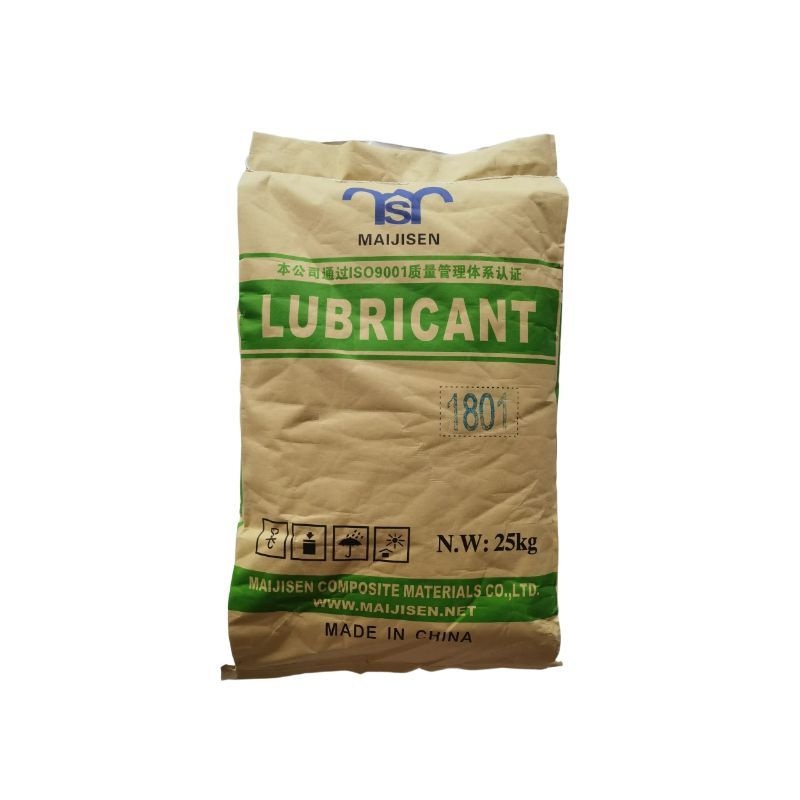
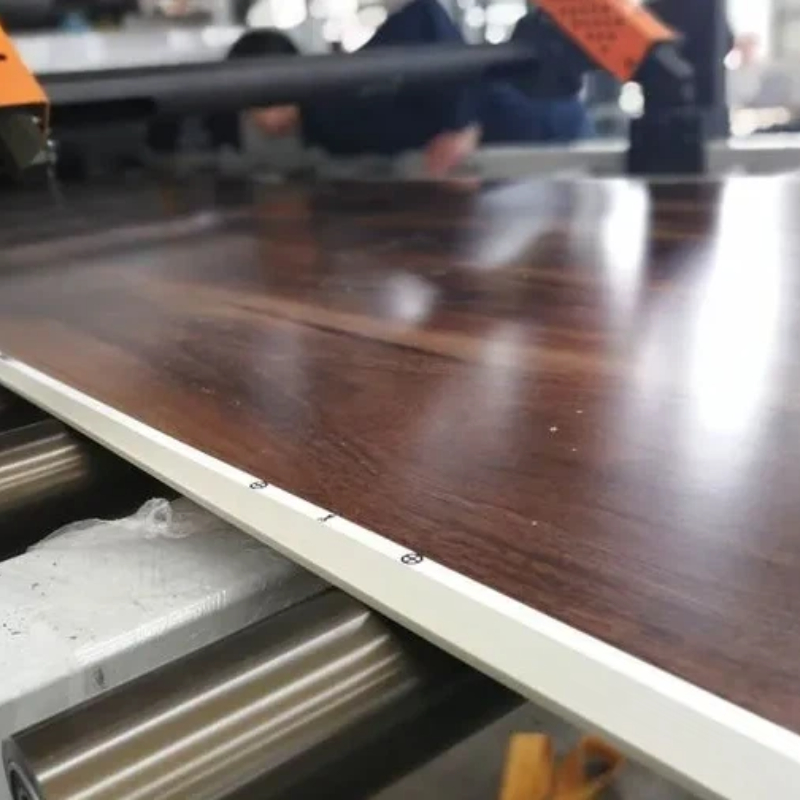
Stearic Acid 1801 (Octadecanoic Acid) is a high-purity industrial-grade fatty acid, refined from palm oil via distillation. It has a C18 content of ≥60%, an acid value of 205–210 mgKOH/g, and an iodine value of ≤2.0 gI₂/100g. It appears as white beads or flakes with a slight tallow odor.
It exhibits excellent lubricity, emulsification, and thermal stability. It is slightly soluble in water and easily soluble in organic solvents such as benzene and ethanol. It can be stably stored at room temperature without oxidation, making it a core auxiliary raw material for plastics, rubber, cosmetics, and other industries.
|
Appearance |
White fine particles |
|
Stearic acid content (%) |
100 |
|
Iodine value (%) |
≦4.0 |
|
Density (g/cm³) |
0.83-0.98 |
|
(2.0KPA)Boiling point (℃) |
260-540 |
|
Melting Point (℃) |
61-71 |
|
Volatiles (%) |
﹤1 |
Packing: 25kg/ bag
Storage: Conventional storage
Processing: Valid for 2 years
Note: Store in cool, dry warehouse, avoid rain, moisture. When stored, it must be away from fire and heat sources, avoid exposure to sunlight, and prohibit direct contact with acid and alkali or mixing.
1.Dual Lubrication Properties
In PVC production, a small addition of stearic acid 1801 serves as a premium internal lubricant, which remarkably optimizes melt fluidity and reduces melt pressure in the processing system. This superior internal lubrication performance effectively cuts down processing torque of production equipment, lowers energy consumption during operation, and ensures smooth and continuous material molding. As the addition amount increases moderately, its compatibility with the PVC matrix gradually reaches saturation, and it naturally transitions to exert appropriate external lubrication effects, which can prevent the molten material from adhering to the mold and equipment surfaces, significantly enhancing the demoldability of PVC products and improving the surface gloss and finish of the final products.
2.Dosage Sensitivity
The lubrication performance of stearic acid 1801 is highly correlated with its addition level in PVC formulations. Excessive addition will exceed its compatibility limit with the PVC system, leading to obvious blooming and precipitation phenomena on the product surface and inside the material system. Such issues not only damage the visual appearance of PVC products but also adversely affect the mechanical properties and structural stability of the products, resulting in quality defects. Thus, strict and precise control of the addition ratio is a key prerequisite for exerting its comprehensive lubrication advantages and avoiding processing quality problems.
3.Processing Adaptability
Thanks to its controllable and adjustable lubrication characteristics, stearic acid 1801 can be precisely adapted to diverse mainstream PVC processing techniques, including calendering, extrusion, injection molding and other common processes. By flexibly adjusting the addition amount according to different process requirements, raw material formulas and product specifications, the perfect balance between internal and external lubrication can be accurately achieved. This adaptability effectively optimizes the overall processing efficiency of PVC production lines, reduces the probability of process failure, and stably improves the overall quality of PVC products, fully meeting the diversified production and quality requirements of different PVC manufacturers.
1.PVC boards:
Boosts melt flow, reduces melt pressure and equipment wear, prevents surface pitting/yellowing, ensures smooth, flat surfaces and improves demoldability & durability.
2.PVC profiles:
Balances internal lubrication for extrusion, eliminates mold adhesion/shrinkage, keeps sharp edges and precise dimensions, reduces screw torque/energy use, and avoids flow marks/color differences.
3.PVC pipe fittings
Enhances mold-filling for complex cavities, ensures uniform wall thickness without weld lines, prevents chipping/deformation during demolding, reduces thermal decomposition, and improves weather/mechanical performance.
4.PVC sheets
Improves melt uniformity for calendering/extrusion, ensures consistent thickness, no crystal spots/scratches, reduces roll adhesion, boosts winding efficiency, and enhances surface smoothness/flexibility for deep processing.
5.Rubber products
Acts as vulcanization activator and lubricant, accelerates vulcanization, boosts elasticity/tear resistance, improves process flow, reduces adhesion, enhances demolding and delays aging.
6. PVC shoe materials and cable sheaths
Focus on internal lubrication to reduce melt viscosity and improve soft product forming; avoid excessive addition to prevent blooming and affect flexibility/adhesion.
Kunshan Maijisen Composite Material Co., Ltd is a technology-focused company, which is an innovative plastic processing additives manufacturer.Our main product is stabilizer,Acrylic impact modifier agent,PVC processing aid, PVC foaming regulator,foaming agent,lubricant and other new tech chemical additives; the product is mainly used in WPC&PVC window profile, foam board (Furniture board,Advertisement board,construction board) product, wpc wall board, WPC and SPC floor,pipe and fitting,cable and shoes product.
1.What is the MOQ?
MOQ. is about 1tons
2.What if your payment term?
Payment terms:100% by T/T ,30% by T/T and 70% by L/C;
3.What about the delivery ?
Delivery date:10 days.
4.Can you supply free samples?
Of course,we can supply you 200g~500g per product .
PVC Internal lubricant stearic acid 1801 for pvc sheets
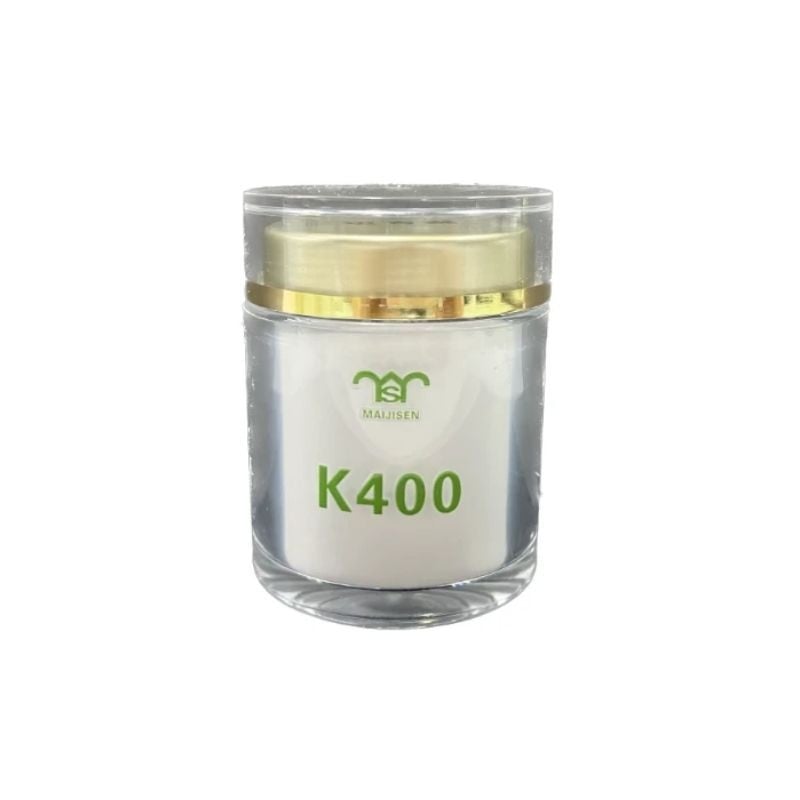
PVC Furniture Board Enhances Plasticization Foaming Regulator K400
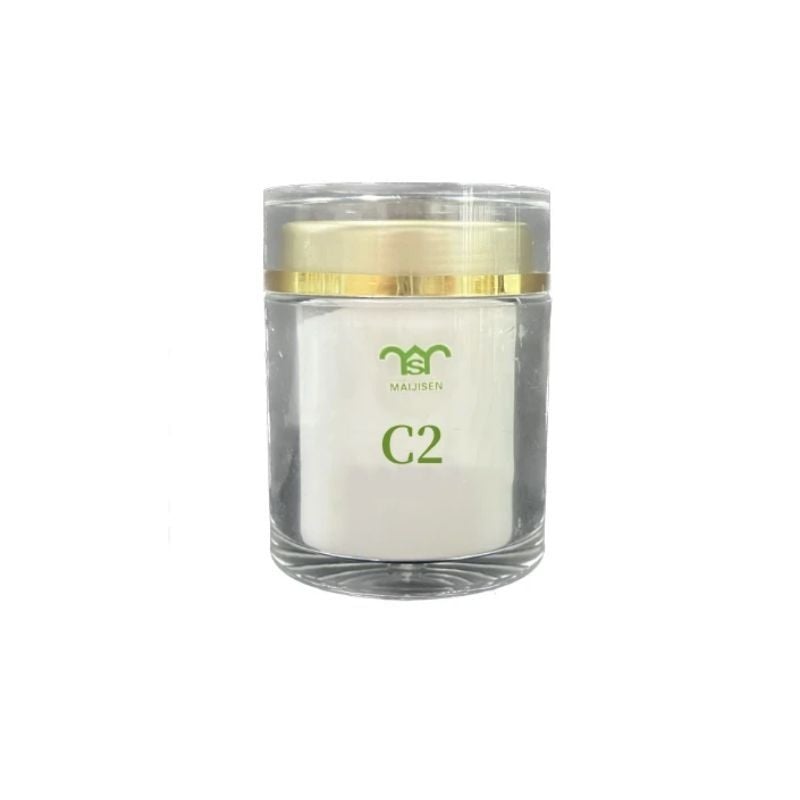
PVC Extrusion and Soft Products ECO-Friendly Ammonia-Free Blowing Agent C2
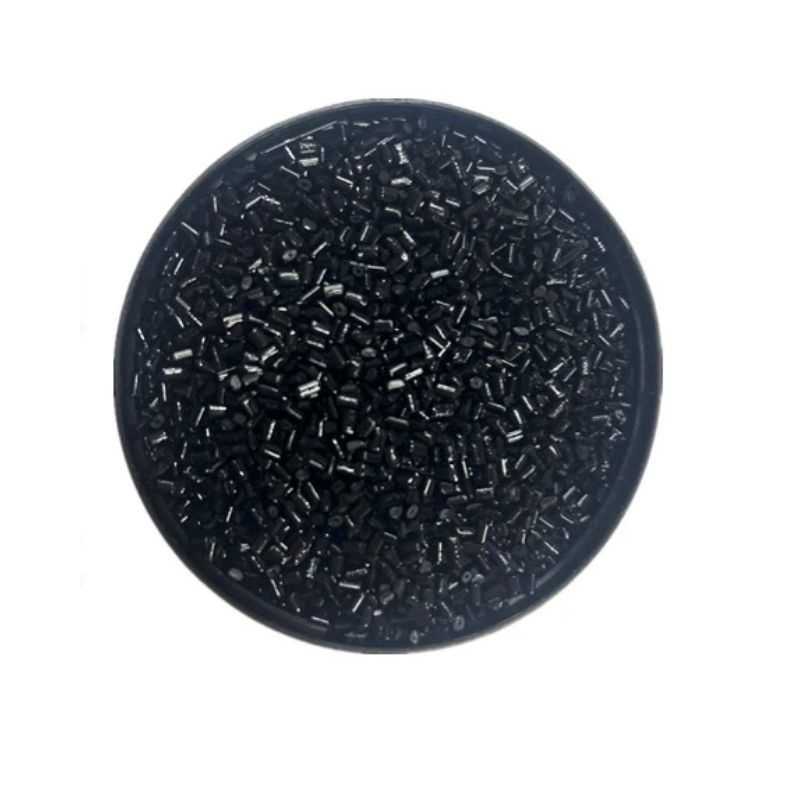
WPC PE Wood-Plastic Wall Panels Imitation Solid Wood Texture Flow Pattern Masterbatch
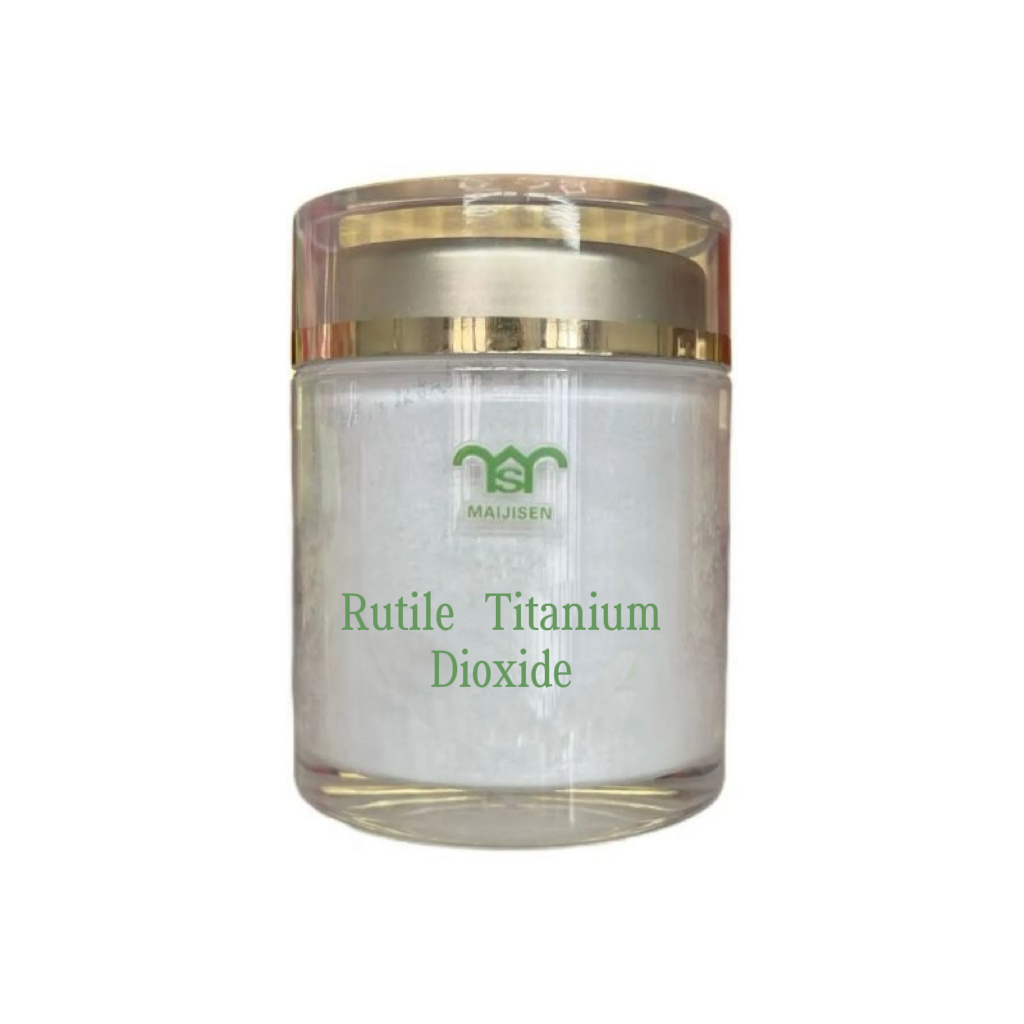
Rutile Titanium Dioxide High Weather Resistance White Pigment for PE / PVC WPC Applications
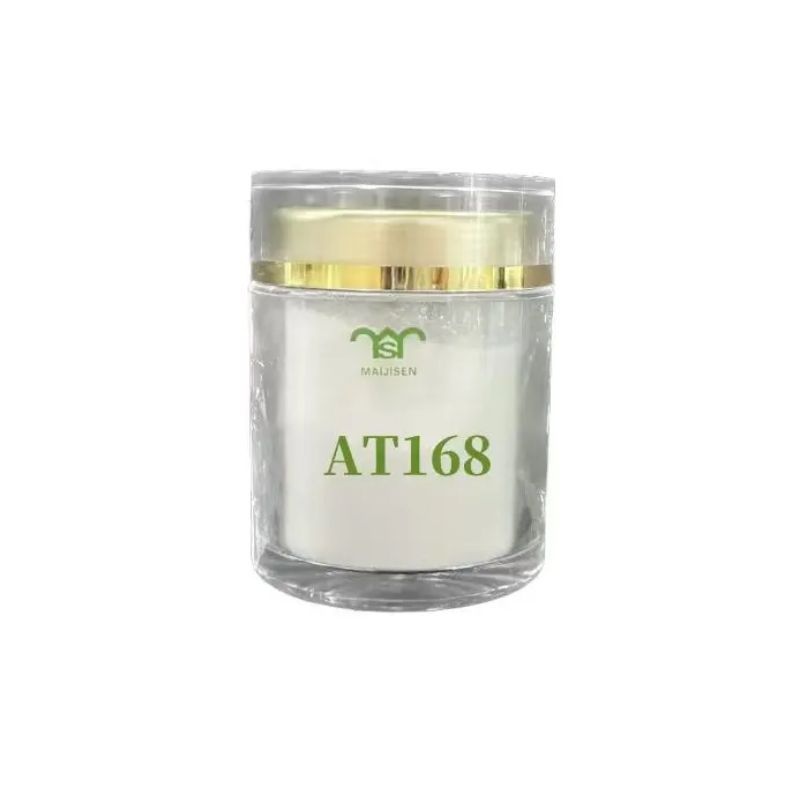
AT168 Secondary Antioxidant for PVC / PE Extrusion Processing Stability

Founded in 2009, MAIJISEN is a technology-driven manufacturer specializing in PVC and WPC additives, including stabilizers, foaming agents, lubricants, processing aids, and customized solutions for global plastic processing applications.