Benefits of Coupling Agents in Composites

coupling agent in composite

Composite  materials is made by mixing two  or more different stuff to create something stronger and better. A coupling agent are a  special stuff that  help these materials stick together good. This  is really key  in  making composites because  if the  materials  don't bond well, the  final product might not be strong or  last long.  Maijisen  know how important coupling agents is in this process, and we  aim to give the best solutions for  our customers. Using a good coupling agent  can make composites lighter, stronger, and more resistant  to harm.  This mean  they will last longer and work better in various uses.
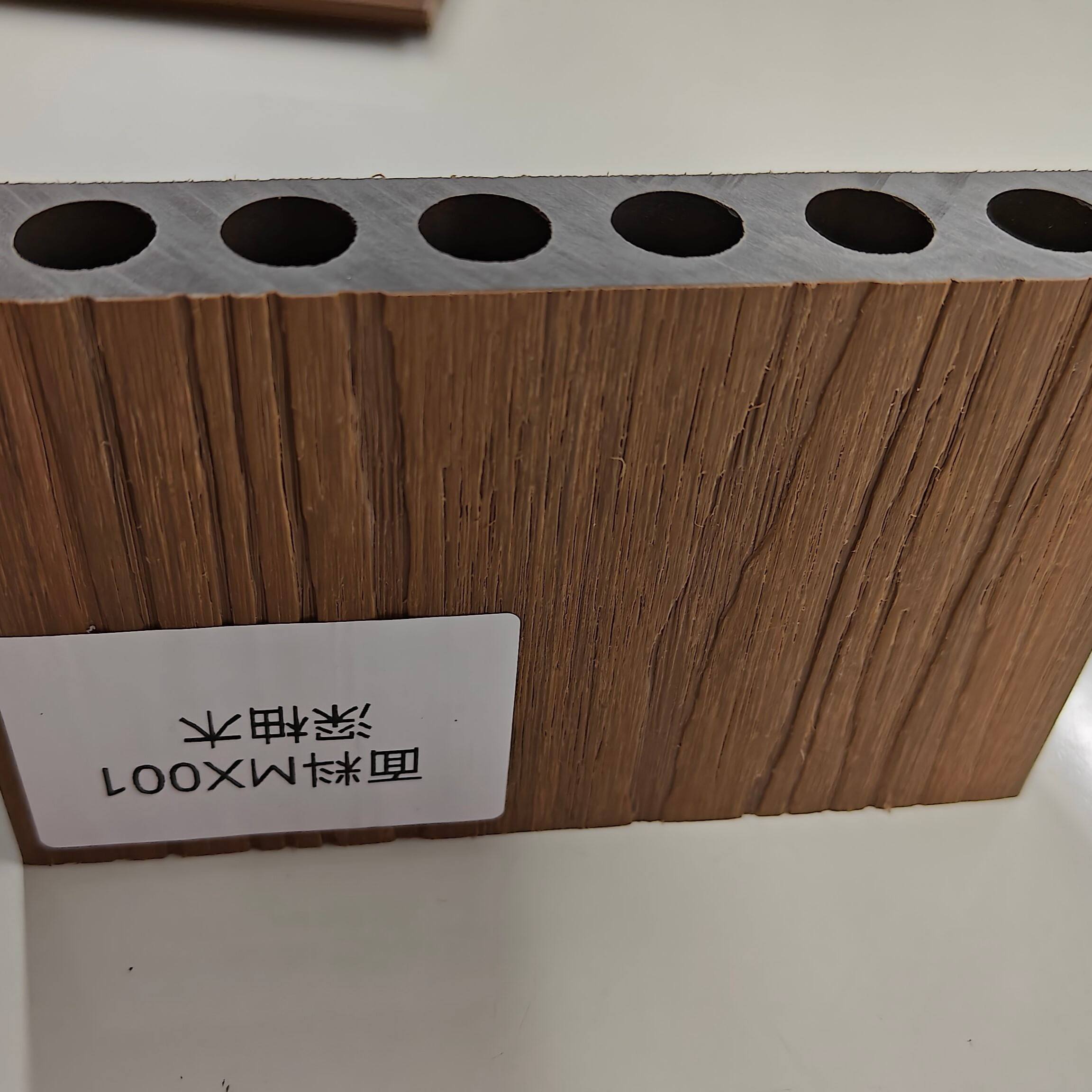
What Are the Key Benefits of Using Coupling Agents in Composite Materials?

What Are  the Key Benefits of Using Coupling Agents in  Composites? One big benefit of coupling agents is that they improve the bond between different materials.  Think of it like glue that  helps two things stick tighter. For instance, when making a composite with plastic and glass fibers, a coupling agent can help the plastic hold the glass fibers tight.  This result in a material that is much stronger than either one by itself. Another  benefit is it can help reduce the weight of the composite. Lighter materials are often wanted in industries like  automotive because they can  improve fuel saving. Coupling agents can also protect against moisture and  chemicals,  which damage materials  over time. By  using these agents,  makers can create composites that perform well and withstand tough conditions. In addition, coupling agents can make the making process easier and more efficient. They help in  mixing materials right, which mean fewer defects in the product.  So this mean less waste and  lower costs, which is always good  for businesses. Overall, coupling  agents play a big role in making sure composites are strong, last long, and cheap  to make. For more information on how coupling agents work, you might want to check out our article on PVC Foaming and Non-foaming Profiles Tempering Agent PM40.

Get a Free Quote

Our representative will contact you soon.
Email
Mobile
Name
Company Name
Message
0/1000

Related product categories

How to Choose the Right Coupling Agent for Your Composite Applications?

How to Choose the Right Coupling Agent for Your Composite Applications?

How  to Choose  the Right Coupling Agent for Your Composite Materials? Choosing the right coupling agent can feel  overwhelming, but it don't have to be. First,  it's important to know the materials you work with. Different materials need different kinds of coupling  agents. For example, if you work with  a thermoplastic, you might need a coupling agent that works good with plastics. It’s also helpful  to think about the environment the composite will use  in. If the product will  expose to water or chemicals, you need a coupling agent that can handle those. Another factor is the performance you want  from your composite. Some coupling agents  can boost specific properties, like strength or flex. Experimenting with  different agents can help find the one that fits your needs best. And, talking with  experts or suppliers  like Maijisen can give good insights into  which products suit your project. Understanding the application  of the composite is  key too. Whether it’s for construction or automotive can influence your choice. Finally, consider  the cost.  Sometimes the cheapest option isn't the best one. You want a balance between cost and quality so your composite performs well without costing too much. Taking time to choose right can make big difference in the quality  of your composite materials. Additionally, looking into products like PVC mold release and lubricant AC-6A for Color Masterbatch Production can provide further insights into enhancing your composites.
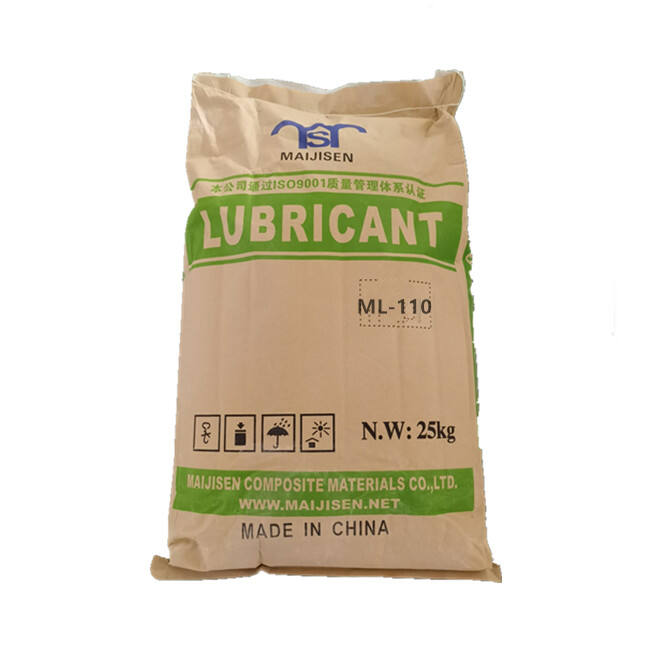
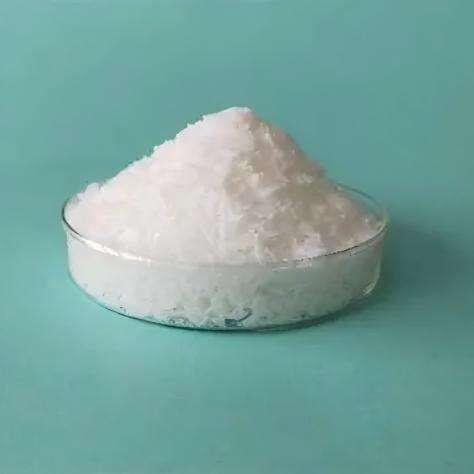
What Common Issues Arise When Using Coupling Agents in Composites?

What Common Issues Arise When Using Coupling Agents in Composites?

Coupling agents are  important for making strong composite materials, but  sometimes they cause issues. One common problem is that they might not  mix well  with the other materials. When this happen,  the composite can become weak. This is often because the coupling agent don't bond well with the other parts. To solve this, it’s essential to pick a coupling agent that matches the materials  you use. For example, if you work with plastics, select a coupling agent made special for plastics. Another issue can be the amount of coupling agent used. Using too little might not create strong  bond, while using too much  can make the  composite weak and  brittle. The  key is to find the right amount. Testing different amounts in small samples can help you find best balance. It’s also important to mix  everything well. Sometimes, if the coupling agent is not mixed proper, it won't work good. A good mixer can ensure all parts blend even. Additionally, temperature can affect  how well the coupling agent work. If  it’s too cold or too hot, the  bonding might not be strong. Keeping track of the temperature during  mixing can improve results. Finally, check for any moisture in the materials. Moisture can interfere with the bonding.  Using dry materials or adding a drying agent can help avoid this. By  fixing these common issues, you  can make stronger composites. At Maijisen, we know how important it is  to solve these problems, and we committed to providing solutions that work.

Where to Source Cost-Effective Coupling Agents for Bulk Orders?

Where to Source Cost-Effective Coupling Agents for Bulk Orders?

Coupling  agents play a vital role in making composites stronger. Think of them like a glue that helps different materials stick better. When you mix things like plastic with other materials, they often don't bond  well  alone. This is where coupling  agents come in. They create a link between the two materials, which improve their strength. For example,  if you combining glass fibers  with resin to  make strong composite,  a coupling  agent helps the fibers and resin bond tight. This makes the final product much stronger than if you used just the fibers or resin alone. Another important role of coupling agents is to improve the overall performance of the composite. They can help the composite resist water and other chemicals, which is very key for many products. When the materials protected from damage, the composite lasts longer and perform better.  At Maijisen, we focus on finding the right coupling agents that can enhance the  strength and lasting of  our composites. Additionally, coupling agents can  help in  reducing the weight of the composite. A lighter composite is easier to use and can improve fuel efficiency in vehicles, for instance. This is another  reason why  choosing the right coupling  agent is crucial. Overall, coupling agents are essential for improving the strength and performance of composite  materials. Without them, many composites would  not be as  strong or useful. For more details on specific products, check out our guide on Environmentally Friendly Oxidized Polyethylene Wax (OPE Wax).

Get a Free Quote

Our representative will contact you soon.
Email
Mobile
Name
Company Name
Message
0/1000