Enhancing Performance with Coupling Agents

coupling agent of composite

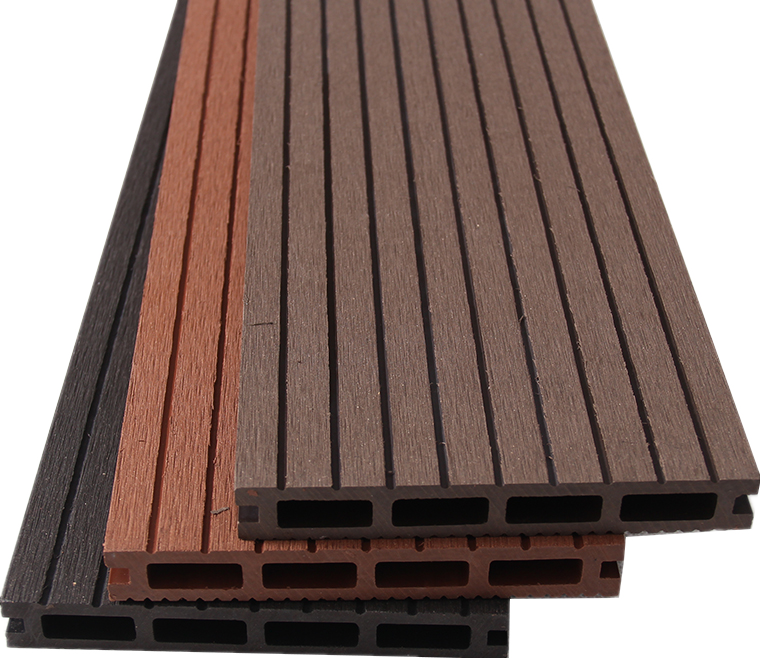
Composite materials gets  made by mixing different stuff  to create  something stronger and more handy. One  key  part in improving these composites is using coupling agents. These are  special things  that help stick different materials together. For  example, when you  mix plastic with glass fibers for a  strong composite, a coupling agent can make the plastic stick better to  the  glass fibers. This make  the final product tougher and more dependable. At Maijisen, we  knows how vital coupling agents are in making high-quality composites.  They helps improve  the materials  performance, making them  last longer and work better in many  uses,  like car parts or building stuff. Additionally, incorporating a flame retardant can further enhance the safety and durability of these composites.
How Do Coupling Agents Enhance Composite Material Performance?

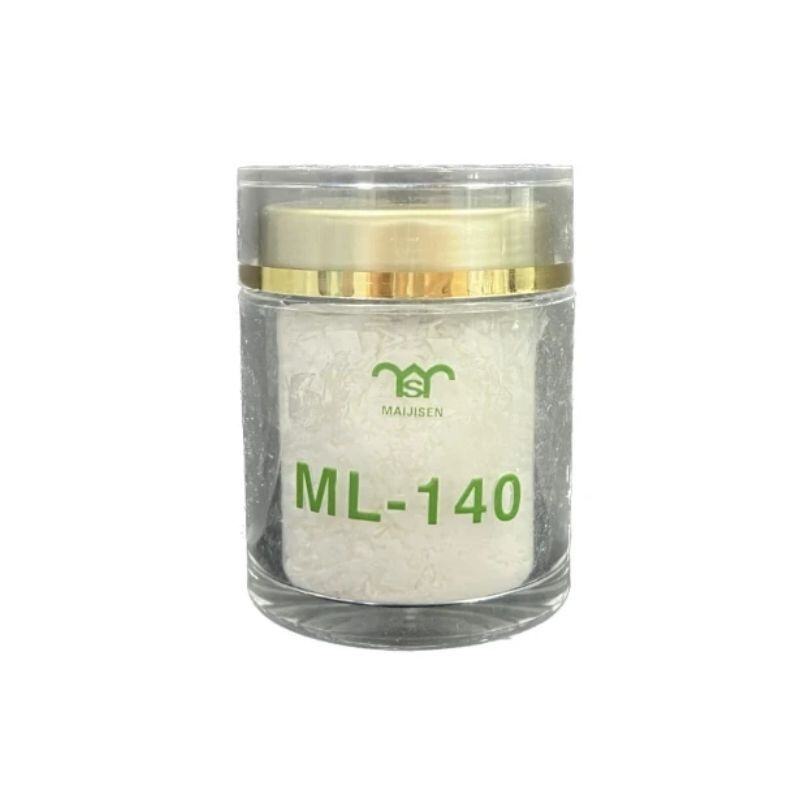
Coupling  agents plays a big role in making composite materials  stronger and longer-lasting. When you  combine different materials, they often doesn't bond well, which lead to  weak spots in the end product. A coupling agent acts as a bridge between them, making the connection better. For instance, with plastic and a fiber,  without it,  they might pull apart easy  under stress. But with a coupling agent, the bond gets stronger, so the materials works together  more good. This mean the composite  can take more force and  resist breaking better. There are various types of coupling agents, based on the materials. Some  works for plastics, others for metals or ceramics.  Picking the right one can change  a  lot how the composite performs. At Maijisen, we picks the best coupling agents to make sure our composites meet high standards.  Like in cars,  strong composites are key for safety and saving fuel. Coupling agents helps create materials that handle  hits and last  more, thats why knowing their role is so important for  working  with composites. In some cases, using an antioxidant can also improve the longevity of the composite materials.

Get a Free Quote

Our representative will contact you soon.
Email
Mobile
Name
Company Name
Message
0/1000

Related product categories

What Common Issues Do Buyers Face When Selecting Coupling Agents?

What Common Issues Do Buyers Face When Selecting Coupling Agents?

When buyers  search for coupling agents, they faces some challenges. One big issue is all the options out there. There is many types,  each for specific materials and  uses, which  can confuse people on what to pick. For example, if working with a new  plastic, they might not know which agent will boost its performance. Another  problem is if the agent fits with the current materials. Sometimes,  what  works with  one doesnt with another, causing bad bonding and less performance. Also,  cost worries buyers. Some good  coupling agents costs a lot, so finding balance between quality and price is  key. At Maijisen, we helps  clients  with these by  giving advice and  custom solutions. We gets that choosing right is crucial for  best results in making composites. Our know-how lets us guide  buyers to agents that  improves their products  without going over budget.
What Are the Top Trending Coupling Agents for Composite Manufacturing?

What Are the Top Trending Coupling Agents for Composite Manufacturing?

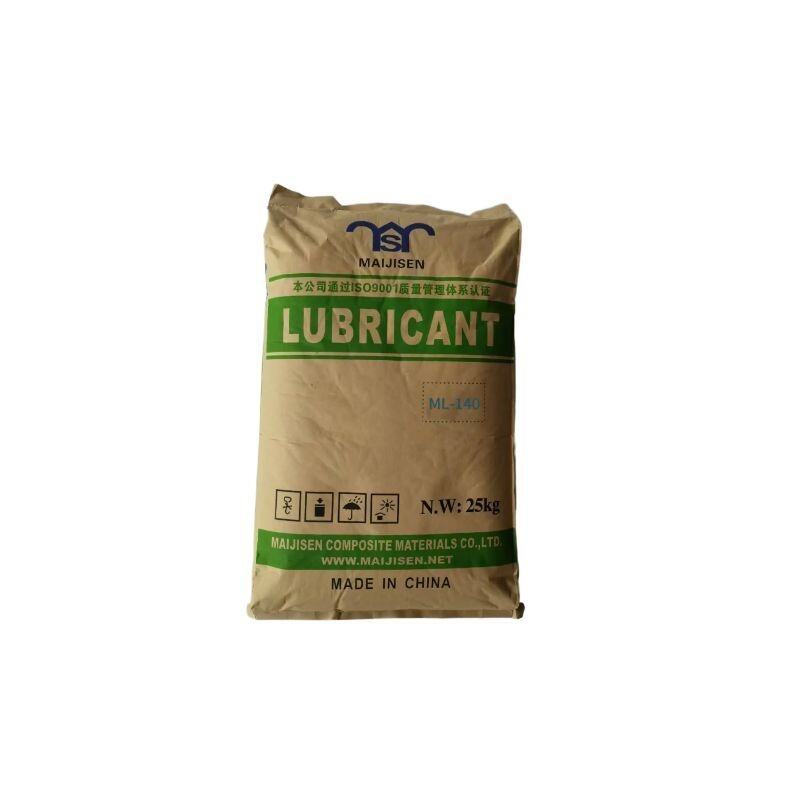
In composite manufacturing, coupling agents are important.  They  helps materials  stick better, especially when  mixing  like plastic and metal. So, you might  ask what the top trending ones are. One popular is silane. Silanes are special chems that makes surfaces stickier.  They  creates strong bonds between fibers and the plastic or resin holding it. Another trending  one is  maleic anhidride. This gets used often with polypropelene, a plastic type. It  improves strength and  lasting  of the product. There also compatibilizers, for  when materials dont mix well, like oil and water. These makes  the mix smoother and even, which is vital  for strong composites. At Maijisen, we uses these trending agents to make  better composites. We wants our products strong and long-lasting. The right agent can really change how the composite works and lasts. By following  latest trends, Maijisen  offers  quality stuff that fits customer needs.

What Are the Most Effective Coupling Agents for Specific Composite Types?

What Are the Most Effective Coupling Agents for Specific Composite Types?

Different  composites needs  different coupling agents to  work best. For example, with glass fibers, a silane agent  is usually the  top pick. Silanes bonds good with  glass and boosts the strength.  On the other  side, for carbon fibers, another type might work better. Some makers  uses epoxy for carbon to make strong bonds. Epoxy sticks to carbon fibers and forms solid composites  because  it can adhere well. For natural fibers  like wood or bamboo, you need a different way. Using something like polyvinyl acetate (PVA) can helps a lot. PVA sticks the natural fibers to resin, making the composite stronger and  tougher. At Maijisen, we knows  picking the right agent is key  for quality  composites.  Thats why we studies the materials we use.  This way, we selects the best agents for each job. It ensures  our composites are strong and  meets what customers want.

Get a Free Quote

Our representative will contact you soon.
Email
Mobile
Name
Company Name
Message
0/1000