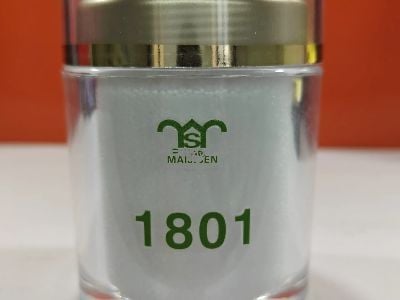
Stearic acid plays an important role in improving plastics and making them more efficient. This special acid helps produce high-quality plastic items that folks use daily. At Maijisen, we concentrate on stearic acid because it brings lots of advantages for smarter plastic making. It not only boosts the plastic's quality but also smooths out the whole production process. With stearic acid for pvc pipes, we can make plastics that are tough, long-lasting, and even kinder to the environment.
What Are the Benefits of Using Stearic Acid in Plastics?
Using stearic acid in plastics offers many good perks. First off, it makes the plastic smoother and easier for molding. This matters a lot for stuff like containers or machine parts. Smooth plastic fills molds better and cuts down on defects. That saves time and money in production. Second, stearic acid works as a lubricant. So it reduces friction in the machines used for plastic making. When machines run smoother, they go faster and use less power. This helps the environment and keeps costs low.
In addition, stearic acid can improve the end product's quality. It gives plastics more flexibility and strength. That's why plastic items last longer and work better, whether in packaging or car parts. Some plastics get brittle over time, but stearic acid lubricant helps resist that. Finally, it can make recycling easier too. It helps break down plastic more efficiently, so it's simpler to recycle and reuse. This counts as people want eco-friendly choices more.
At Maijisen, we know how key high-quality materials like stearic acid are in our plastic work. By using these benefits, we create products that meet and even beat what customers expect, while being nicer to the planet.
How to Maximize Efficiency in Plastic Production with Stearic Acid?
To maximize efficiency in plastic making with stearic acid, it's about knowing how to use it right. First, you've got to find the correct amount to mix in. Too little and the benefits don't show, but too much changes the plastic's properties. Balancing it perfectly is important. At Maijisen, we test various ratios to see what fits our methods best.
Next, temperature during production counts too. Stearic acid works best at specific temperatures, so keeping machines at the right temperature helps it mix well with other materials. This means the plastic forms correctly without weak spots. Also, well-maintained machinery helps as well. Clean and smooth-running machines give better results.
Another factor is training the workers. When staff understand how stearic acid fits with the process, they can spot issues early and fix them quickly. It's about teamwork and communication. Regular checks and tests keep things going well. Lastly, watch the waste. Using stearic acid smartly reduces waste and lets us make more plastic with less material.
At Maijisen, we're always seeking ways to improve our methods. Focusing on stearic acid usage means we can produce better products more quickly and with less harm to the environment. This is not only good for business; it's good for users of our products too.
What Common Issues Arise When Using Stearic Acid in Plastics?
When using stearic acid in plastic production, there are some problems that need attention. One common issue is that stearic acid can make plastic too soft sometimes. This happens because it's a fatty acid, and while it helps with smoothness, too much can weaken the plastic. If the plastic becomes too weak, it can break or bend easily. Companies like Maijisen think about this when deciding the proper amounts.
Another problem is that stearic acid can react with other materials. For instance, with some metals, it can cause color changes or poor adhesion. This is called a compatibility issue. If materials don't work well together, the products won't be as strong or durable.
In addition, stearic acid can sometimes make plastic sticky. That stickiness makes it harder to package or use the finished items. Companies need to find the right balance to avoid this. Lastly, there can be issues with how stearic acid acid is produced or stored. If it is not pure or is stored improperly, it won't perform well in plastic. That's why Maijisen focuses on quality and safety to provide the best stearic acid. By understanding these issues, Maijisen works to make stronger plastics while using stearic acid effectively.
How Stearic Acid Improves the Quality of Plastic Products?
Stearic acid plays a big part in improving plastic products. One way is that it acts as a lubricant. During manufacturing, it lets materials slide easily past each other. This smooths the process and speeds it up. As a result, plastic can be shaped into forms without sticking or becoming damaged. Maijisen uses stearic acid to boost the efficiency of its production lines. It saves time and helps produce high-quality products.
Another benefit is that it creates a better surface finish on plastic. A smooth surface looks nicer and feels good to touch. This is especially important for items people hold, like toys. A good finish also makes colors appear brighter. Furthermore, stearic acid helps plastic resist heat. Products made with it hold up better in hot environments, making it useful for car parts or kitchen tools. Heat resistance adds durability, so they last longer. Plus, it helps prevent plastic from breaking down quickly due to sunlight or harsh conditions. This UV resistance is vital for outdoor use. Maijisen sees that stearic acid enhances products, making them stronger, more attractive, and longer-lasting.
How Stearic Acid Can Help Meet High Demand in Plastic Production?
Today, there is a high demand for plastic products. People need them for everything from food packaging to toys. Stearic acid helps companies like Maijisen meet this demand by improving production efficiency. First, as a lubricant, it helps machines run faster. Faster processing means more plastic products can be made in less time. So companies can produce more to sell. This is especially important during busy seasons like holidays.
Second, it helps ensure consistent quality. High quality keeps customers happy and encourages them to buy more. Strong, attractive products lead to more sales and repeat customers. Third, stearic acid reduces waste. Efficient production means less unused material. This saves money and is better for the environment. Maijisen understands its responsibility to produce products without unnecessary environmental impact. By using stearic acid wisely, the company meets customer demand while caring for the environment. Stearic acid is a valuable part of production, helping Maijisen respond to demand with both quality and speed.
Table of Contents
- What Are the Benefits of Using Stearic Acid in Plastics?
- How to Maximize Efficiency in Plastic Production with Stearic Acid?
- What Common Issues Arise When Using Stearic Acid in Plastics?
- How Stearic Acid Improves the Quality of Plastic Products?
- How Stearic Acid Can Help Meet High Demand in Plastic Production?
