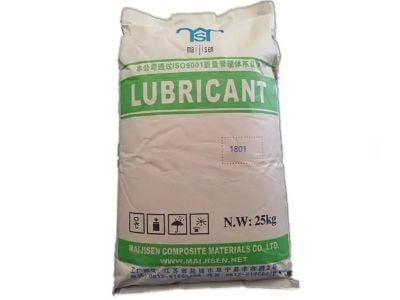
Stearic acid is a special type of fatty acid that comes from both plants and animals. It plays an important role in various industries, like making polymer mixes. At Maijisen, we know how stearic acid 1842 can improve products. When used in polymer compounds, it helps materials blend evenly. This makes the products stronger, and they perform better. Stearic acid is key for good mixing, which is vital for quality and performance.
How Stearic Acid Helps Uniform Mixing in Polymer Compounds?
Stearic acid acts like a great assistant for blending materials. Think of mixing sand with water; it can be hard to get them together nicely. But add some soap, and it gets easier. Stearic acid does that job by helping different parts in polymer mixes combine smoothly. Polymers, those long molecular chains, usually need fillers or colors to add strength or color. If they don't mix evenly, problems like weak areas or spotty colors can appear in the end product. Stearic acid creates an even spread, so everything is distributed uniformly throughout the polymer. This evenness is important because it provides consistent strength and appearance. For example, in rubber making, stearic acid helps mix carbon black well, which strengthens the rubber and makes it last longer. It also reduces powder clumping, so manufacturing goes more smoothly. In short, stearic acid 1801 in polymers is like a reliable buddy that keeps everything working together.
How to Get the Best Polymer Results with Stearic Acid?
To ensure polymers perform at their best using stearic acid, use the correct quantity. It's like baking a cake; too much flour and it won't taste right. The same goes for stearic acid. The trick is balancing it properly. Manufacturers often perform tests to find the right amount needed for the best results. This makes sure the polymers are strong, flexible, and long-lasting. At Maijisen, we suggest starting with a small amount of stearic acid and then adjusting it based on how the mixture behaves. Mix it well too, because uneven mixing can cause problems. In addition, watch the temperature during mixing. A little heat can make stearic acid more fluid and easier to blend. Finally, test the finished product to check whether it handles stress well and looks good. By controlling the amount of stearic acid and the mixing conditions, manufacturers can create strong, dependable polymer compounds. Maijisen is here to guide clients on using stearic acid correctly for better products.
Stearic acid is a fatty acid that helps a lot in creating products, especially in the world of polymers. Polymers are long molecular chains found in things like plastics and rubber. Adding stearic acid helps them mix evenly. That's called uniform dispersion. Good mixing means they function better and last longer. If you need to buy good stearic acid 1838 in large quantities, companies like Maijisen can supply it. Maijisen provides pure stearic acid that's effective for many applications. When buying, see if the company has a solid reputation. Check online reviews to see what customers think. A good supplier provides information about product quality. It's key to choose one that cares about customers and the quality of its products. Maijisen is known for high-quality stearic acid that fits business needs. They are a dependable choice for bulk purchases of this key ingredient.
Selecting the Right Stearic Acid for Polymer Applications
When picking stearic acid for your polymer work, keep some things in mind. First, consider the type of polymer you use. Different polymers might need different types of stearic acid to perform optimally. For instance, some need stearic acid that mixes easily, while others require one that provides greater firmness. At Maijisen, different grades are available. Each grade suits specific applications, so choose the one that matches your needs. Also, think about purity. Higher purity means better quality, which improves polymer performance. Look for stearic acid that is at least 95% pure. Ask the supplier for certificates or test reports to confirm the quality. It's also wise to consider the quantity you need. If you're making small batches of polymers, don't buy huge amounts. But for large projects, buying in bulk is a smart choice. Maijisen can advise you on the right quantity based on your project size and goals.
Finding Good Suppliers for Stearic Acid
Finding reliable suppliers for stearic acid is crucial. You want one that delivers quality products consistently. Start with online research. Look for chemical specialists with a good history. Maijisen stands out because they offer excellent service and high-quality products. Contact them to ask about their stearic acid and how it can help with your polymer projects. In addition, attending trade shows or industry events can help, as suppliers showcase their products there. You can speak with them directly and ask about their experience and quality control processes. Don't hesitate to request customer references. Good suppliers are happy to share their success stories. Lastly, check their delivery service. Reliable suppliers ship on time and handle transportation issues efficiently. With Maijisen, your stearic acid arrives when you need it, helping keep your projects on schedule.
