
The 2nd Compounding & Extrusion Technology Exchange Forum 2026: Insights for PVC Additive Industry
SUZHOU, China, April 11, 2026 – The 2nd Compounding & Extrusion Technology Exchange Forum successfully concluded in Suzhou on April 10, bringing together hundreds of industry experts, equipment manufacturers, material scientists, and downstream processors to explore cutting-edge advancements in polymer processing. While the event covered a broad spectrum of thermoplastics and engineering materials, the discussions on PVC processing technology, formulation optimization, and sustainable production held significant relevance for manufacturers of PVC chemical additives, including stabilizers, lubricants, processing aids, and foaming agents.
From this industry forum, we can clearly see that the discussion accurately grasps the core of industrial development, breaks away from single-product competition and focuses on the innovation of compounding and extrusion technology.
From a personal industry perspective,Analyze the core viewpoints of the forum and its profound influence on the development of PVC additives industry.
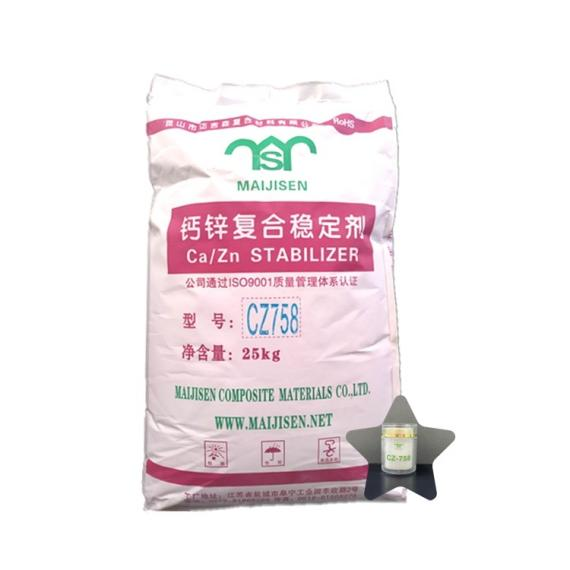
1. Green & Non-Toxic Stabilization: The Non-Negotiable Industry Shift
A dominant theme across presentations was the accelerated phase-out of heavy metal-based stabilizers and the universal adoption of eco-friendly alternatives, particularly calcium-zinc (Ca-Zn) stabilizers and organic-based systems.

•Regulatory & Market Drivers: Speakers emphasized that global regulations (EU REACH, FDA food contact standards) and brand sustainability mandates are forcing PVC processors to abandon lead-based stabilizers entirely. This creates an urgent, sustained demand for high-performance, non-toxic stabilizers that can match or exceed the thermal stability of traditional systems.

•Technical Gap: A key challenge highlighted was maintaining long-term heat stability and color retention in high-speed extrusion lines without toxic components. This directly signals a need for advanced stabilizer formulations—including one-pack stabilizer systems that integrate heat stability, lubricity, and anti-oxidation—for PVC pipe, profile, and rigid sheet applications.
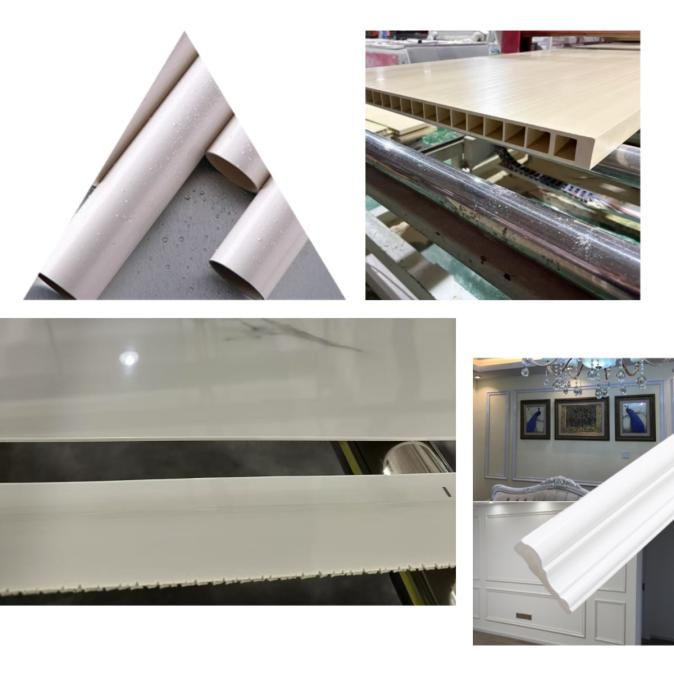
2.Lubrication & Processing Efficiency: Balancing Flow & Output
Presentations on twin-screw and conical twin-screw extrusion for PVC repeatedly emphasized the critical role of internal and external lubricants in optimizing melt flow, reducing torque, and preventing plate-out.
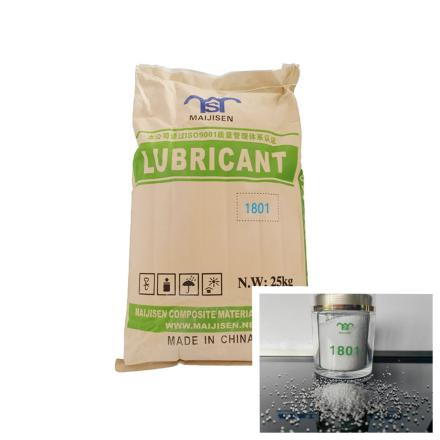
•High-Speed Production Demands: As lines run faster to boost productivity, PVC compounds require balanced lubricant packages that ensure smooth feeding, uniform melting, and excellent mold release.
•Cost & Quality: Experts noted that inefficient lubrication leads to higher energy consumption, equipment wear, and surface defects. This creates a strong market pull for specialized lubricants (e.g., PE wax, fatty acid ester, complex ester) designed specifically for high-filler, high-throughput PVC extrusion.
3. Advanced Processing Aids: Solving PVC’s Inherent Processing Challenges
PVC’s inherent poor melt strength and slow gelation were a major topic of discussion. Forum experts highlighted:
•ACR & Processing Modifiers: The critical need for processing aids (e.g., ACR) to promote faster fusion, improve melt uniformity, and enhance surface gloss in rigid PVC products.
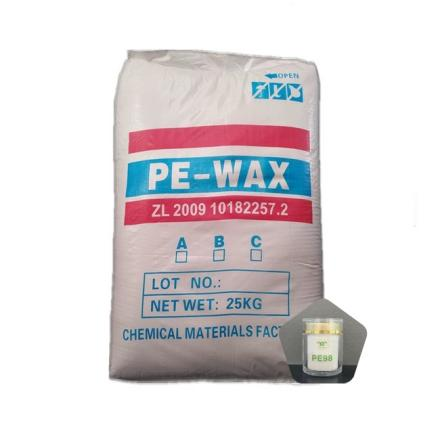
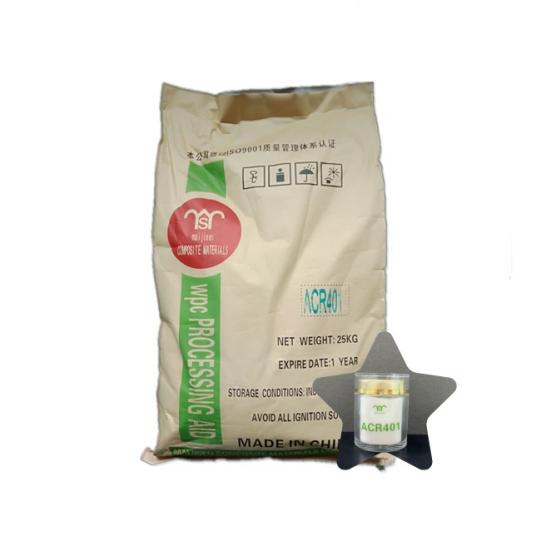
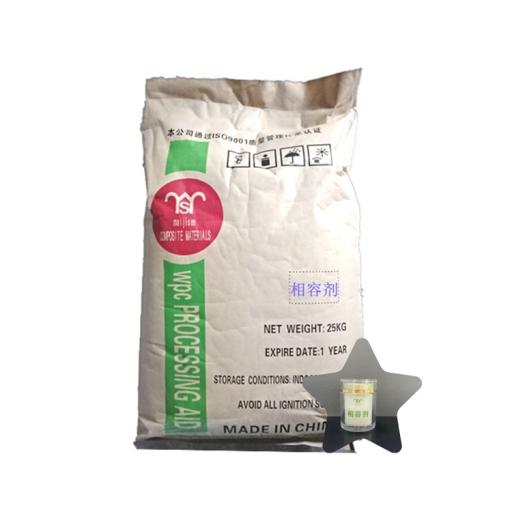
•High-Fill Compatibility: With the industry pushing for higher calcium carbonate loading to reduce costs, processing aids that improve filler dispersion and prevent viscosity buildup are becoming essential. This is a direct opportunity for additive suppliers to develop compatibilizers and dispersing aids tailored for highly filled PVC compounds.
4. Foaming Technology: Growth Opportunity for PVC Foam & WPC
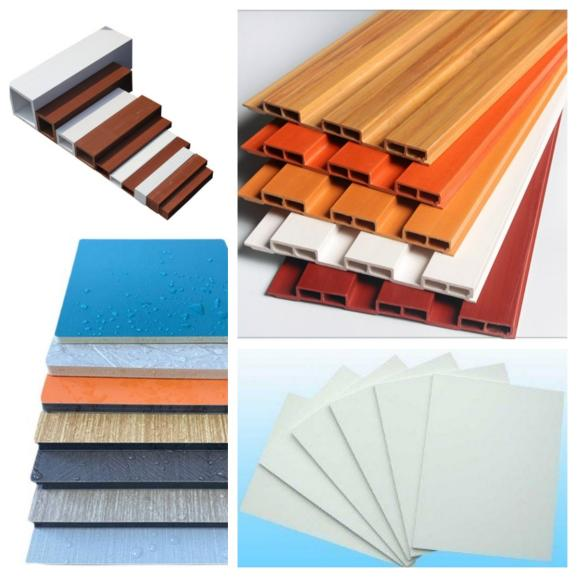
A dedicated session on chemical foaming agents (AC, OBSH) and microcellular extrusion highlighted booming demand in foamed PVC profiles, WPC (wood-plastic composite), and rigid foam boards.
•Key Challenges: Achieving uniform cell structure, minimizing shrinkage, and maintaining mechanical strength.
•Additive Role: This underscores the necessity for high-efficiency foaming agents, foam regulators, and nucleating agents that work seamlessly in PVC’s extrusion temperature window. The trend toward low-density, lightweight PVC construction materials points to growing demand for specialized foaming additive packages.
5. Intelligent Manufacturing & Digital Formulation: Data-Driven Additive Selection
The forum’s focus on AI, machine learning, and DOE (Design of Experiments) for formula optimization signals a shift to precision manufacturing.
•Processors Need Predictability: Downstream manufacturers are increasingly using data to select additives that guarantee consistent quality, reduce scrap, and speed up product development.
•Additive Suppliers Must Adapt: This means PVC additive manufacturers must provide data-sheet transparency, precise dosing recommendations, and compatibility data to integrate into smart factory workflows. Customizable, traceable additive solutions will gain a competitive edge.
6. Circular Economy & Recycled PVC (RPVC)
Sustainability sessions strongly emphasized mechanical recycling of PVC.
•Challenge: Recycled PVC often has degraded thermal stability and inconsistent melt flow.
•Additive Solution: This creates a critical market for reclaim stabilizers, re-processing aids, and compatibilizers that restore performance to recycled PVC, allowing it to be reintroduced into high-quality extruded products.
Additives Are the Foundation of Extrusion Excellence
The 2026 Compounding & Extrusion Forum clearly positioned PVC chemical additives as indispensable components of modern, efficient, and sustainable polymer processing. The industry’s collective push for higher speeds, better quality, eco-compliance, and circularity is not just a challenge—it is a massive opportunity for innovative additive suppliers.
For companies specializing in stabilizers, lubricants, processing aids, and foaming agents, the message is unambiguous: success belongs to those who develop tailored, high-performance, non-toxic solutions that directly solve the technical challenges discussed at this forum. As extrusion technology advances, the additive sector must continue to evolve in lockstep, acting as the critical enabler for the next generation of PVC products.
