
Promising PVC materials: show the future unlimited possibilities
As an important plastic material, PVC (Polyvinyl Chloride) has long been a cornerstone of the global manufacturing industry, promoting the progress and development of numerous sectors with its unique advantages, cost-effectiveness, and continuous innovative spirit. With its excellent versatility, adaptability, and processability, PVC has transcended traditional application boundaries, becoming an indispensable material in modern production and daily life, and driving technological upgrades and industrial transformation in various fields.
Innovative applications lead the way
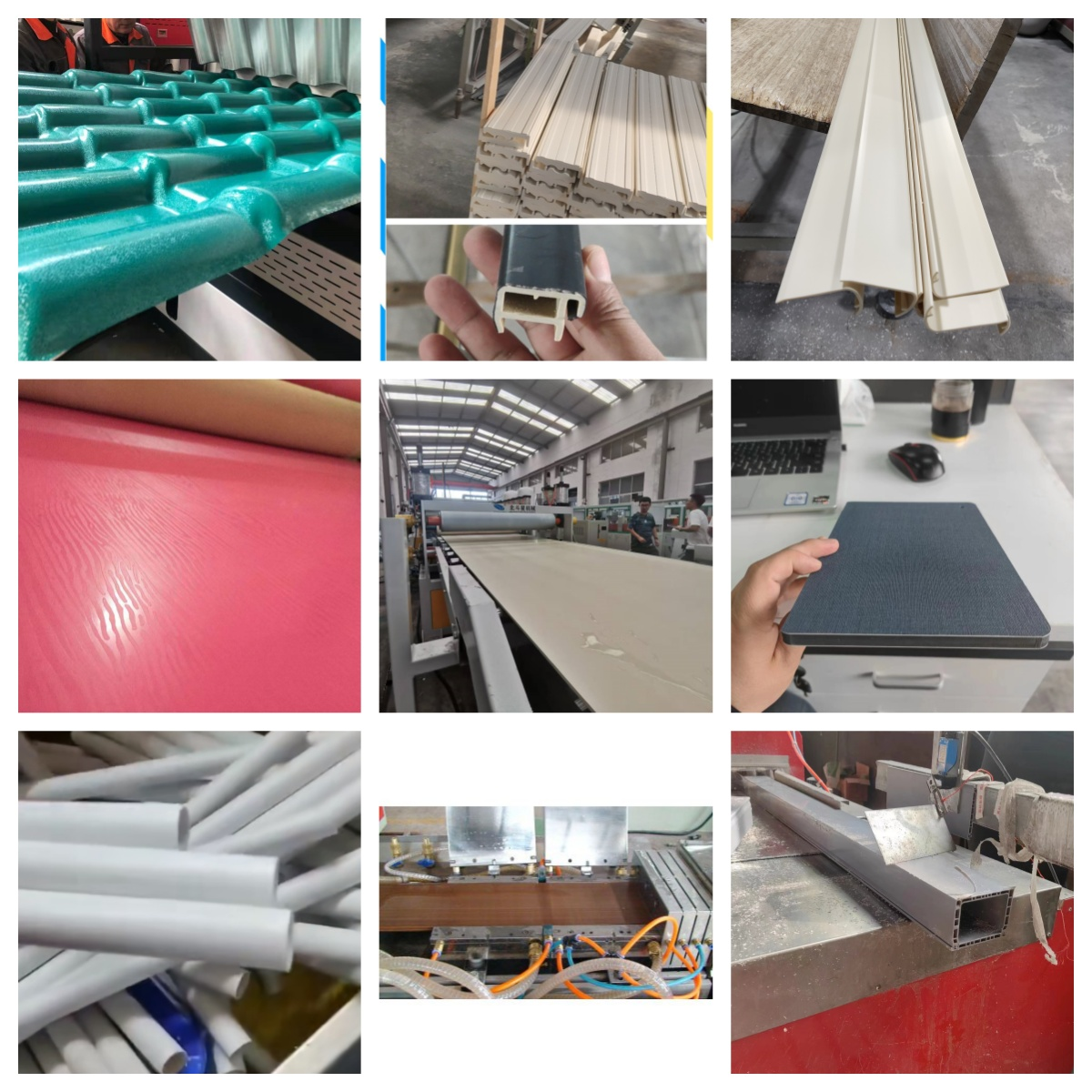
With the rapid progress of science and technology and the in-depth development of global industries, the application field of PVC materials is constantly expanding and upgrading. In the traditional construction industry, PVC is widely used in window profiles, pipes, floor coverings, and wall panels, thanks to its corrosion resistance, weather resistance, and low maintenance costs—effectively reducing construction costs and extending the service life of buildings. In the automotive industry, PVC materials are used in interior trim, wire harnesses, and anti-corrosion parts, contributing to lightweight vehicle design and improving fuel efficiency. In the electronics industry, PVC’s excellent insulation performance makes it an ideal material for wire and cable sheathing, ensuring the safe and stable operation of electronic equipment.
Beyond traditional fields, PVC materials are also breaking into emerging industries, bringing new solutions to environmental protection, medical care, and packaging. In the environmental protection sector, recycled PVC materials are widely used in road construction, geotextiles, and waste treatment, realizing resource recycling and reducing environmental pollution. In the medical field, food-grade and medical-grade PVC materials are used in disposable medical devices, such as infusion tubes and blood bags, due to their non-toxicity, sterility, and good biocompatibility, safeguarding medical safety. In the packaging industry, PVC films and sheets are used for food packaging, daily necessities packaging, and industrial product packaging, with excellent transparency, toughness, and barrier properties, extending the shelf life of products and reducing packaging waste.
At the same time, PVC materials are constantly innovating in technology and function. R&D teams around the world have developed a series of special functional PVC products to meet more refined and high-end market needs. For example, flame-retardant PVC, with added special flame-retardant additives, can effectively inhibit combustion and slow down the spread of fire, making it widely used in high-risk fields such as aerospace, subway, and high-rise buildings. Antibacterial PVC, modified with antibacterial agents, can inhibit the growth of bacteria, mold, and other microorganisms, suitable for medical equipment, food packaging, and household products. In addition, heat-resistant PVC, cold-resistant PVC, and transparent PVC have also been continuously optimized, injecting more vitality and momentum into the sustainable development of the industry.
Characteristic advantage
PVC materials have a series of outstanding characteristics and advantages, which lay a solid foundation for their wide application in various fields.
Heat resistance: PVC materials have good thermal stability, can maintain stable physical and chemical properties within a certain high-temperature range (generally -15℃ to 60℃), and are not easy to deform, soften, or degrade. This makes PVC widely used in wire and cable, automotive engine parts, and other fields that need to withstand certain high temperatures, ensuring the safe and reliable operation of products in complex environments.
Flame retardant: PVC is inherently flame-retardant (its oxygen index is above 24), which is not easy to burn, and can self-extinguish after leaving the fire source, effectively reducing the risk of fire and the spread of fire. This characteristic makes PVC an important material in the construction, aerospace, and electrical and electronic industries, where fire safety is highly required, and it plays a key role in protecting people’s lives and property safety.
Excellent mechanical properties: PVC materials have excellent toughness, wear resistance, and impact resistance, with a long service life—generally up to 20-30 years under normal use conditions. This not only reduces the frequency of material replacement, saves resources, but also reduces environmental pollution caused by waste materials. At the same time, the raw materials for PVC production are abundant, the production process is mature, and the production cost is relatively low compared with other engineering plastics, making PVC materials have a strong competitive advantage in the market and being widely accepted by manufacturers and consumers.
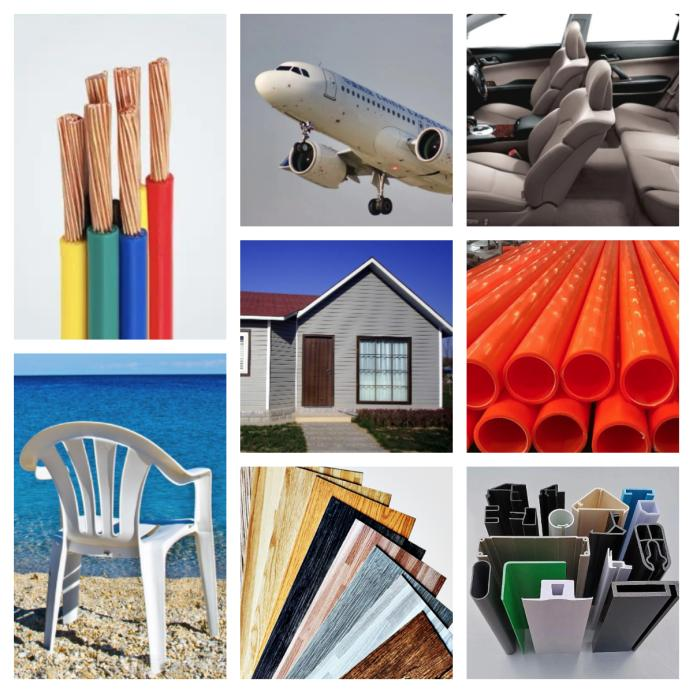
With the continuous progress of science and technology, the rapid development of global industries, and the continuous expansion of application scenarios, PVC materials are expected to show stronger potential and higher value in more emerging fields in the future. At the same time, with the improvement of global environmental awareness and the increasing demand for sustainable development, the PVC industry is also accelerating its transformation towards green and low-carbon. Enterprises are constantly optimizing production processes, developing environmentally friendly PVC products, improving recyclability and degradability, and promoting the integration of PVC materials into the circular economy system. In the future, PVC materials will continue to innovate, give full play to their unique advantages, and make more and greater contributions to the realization of global green development and industrial upgrading.
