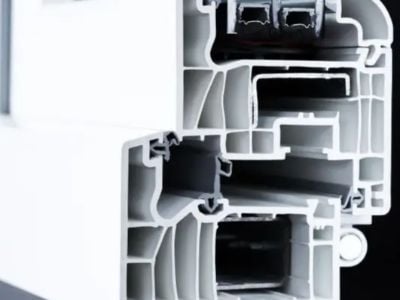
Stearic acid is a special ingredient that helps in making plastic, especially PVC, easier to work with. It is a fatty acid that comes from natural sources like animal fat and plant oil. In the manufacturing world, using stearic acid can make a big difference. It acts like a helper, making sure the PVC flows smoothly during the process. This is important because when PVC is made into products, it needs to be easy to mold and shape. If it is too sticky or thick, it can cause problems and slow things down. So, adding stearic acid 1842 helps keep everything moving along nicely, making the whole process more efficient for manufacturers.
How Stearic Acid Helps PVC Process Efficiency for Wholesale Buyers?
Wholesale buyers look for products that are high quality and also cost-effective. Stearic acid can help meet these needs when it comes to the PVC process. When PVC is mixed with stearic acid, it becomes less sticky. This means machines can work faster and produce more products in less time. For example, if a factory normally produces 1,000 PVC items in a day, using stearic acid might increase that number significantly. This boost in production can lead to better profits for wholesale buyers who sell these products.
Also, using stearic acid can lower the chance of machine breakdowns. Machines that work too hard because the material is too thick wear out faster. This means more downtime and higher repair costs. With stearic acid, machines can run smoothly, saving money on repairs. In addition, when products are easier to make, there is less waste. Less waste means companies save money on materials, which is a big plus for wholesale buyers. They want suppliers to be efficient in production, and stearic acid 1801 allows that.
Another factor is quality. When products are made more easily, they often turn out better. Stearic acid helps achieve a nice finish and reduce defects in the final product. Good quality keeps customers coming back. When buyers know they can trust the products they buy, they are more likely to buy in bulk. This creates a win-win situation where everyone benefits, from manufacturers to wholesale buyers and end customers.
How to Fix Common PVC Processing Issues with Stearic Acid?
The PVC process can sometimes be tricky. Manufacturers often face issues like sticking, uneven mixing, or product defects. Stearic acid can help fix these problems and make the process smoother. For instance, when PVC gets too sticky, it can clump together. This clumping causes jams in machines, leading to delays and loss of production. By adding stearic acid, the material becomes smoother and easier to handle. This helps keep the production line running without interruption.
Also, another common issue is inconsistent mixing. When the ingredients in the PVC process don’t mix well, it can lead to weak spots in the final product. Stearic acid acts as a lubricant, helping all the materials blend evenly. This ensures every part of the product is as strong as the rest. Strong products are essential for customer satisfaction and trust. Nobody wants to buy something that breaks easily.
Additionally, stearic acid can help with temperature control in the process. Sometimes heat makes PVC too hot and causes it to degrade. By using stearic acid, manufacturers can manage the temperature better, preventing damage to the material. This way, the final product not only looks good but also lasts longer.
In the PVC processing world, every little improvement counts. By using stearic acid, manufacturers can solve common problems and make their work easier. This not only helps save time and money but also ensures the products they create are of high quality. Companies like Maijisen understand these factors are important, which is why they promote stearic acid in the PVC process. With its ability to enhance efficiency and reduce issues, stearic acid is a valuable tool in manufacturing.
Benefits of Stearic Acid for Better Lubrication in PVC Manufacturing
Stearic acid is a special kind of fat that is very useful in making things work better in factories, especially when making PVC, a type of plastic. When factories use PVC, they often need to mix different materials to create the right plastic. During the mixing process, things can get sticky and hard to work with. That’s where stearic acid comes in! It helps make everything smoother and easier to handle. By adding stearic acid to the mixture, workers find the materials flow better. This means machines can run faster and produce more products in less time. Imagine trying to slide a heavy box on a rough floor. It’s hard, right? But if you sprinkle a little powder under it, the box slides easier. That’s what stearic acid does for PVC. It reduces friction, the force that makes things stick. With less friction, machines don’t work as hard, which saves energy and money for factories. Also, when stearic acid is used, the final PVC product is often smoother and looks better. This is important because customers want products that look nice. Smoothness also makes PVC stronger and more durable. So, by using stearic acid in PVC manufacturing, companies like Maijisen can create high-quality products that are easy to make, look great, and last long.
What Makes Stearic Acid the Preferred Choice for PVC Processors?
There are many reasons why stearic acid is a popular choice for people making PVC. First, it is easy to find and not too expensive. This is important because factories want to keep costs low while still making great products. Stearic acid is also safe to use, which means workers don’t have to worry about harmful effects. This makes it a good option for companies that care about the health and safety of their employees. Another reason is that stearic acid works well with other materials in the PVC mixture. It helps combine everything smoothly without causing problems. This means workers spend less time fixing issues and more time making products. In addition, stearic acid can help prevent clumping. When materials clump, it makes the mixing process really hard. But with stearic acid, everything stays nice and separate, making the whole process smoother. Companies like Maijisen appreciate that stearic acid helps improve the final product. When PVC is made with stearic acid, it often has better quality. This means customers are happier and more likely to come back. Overall, stearic acid is a great choice for PVC processors because it is effective, safe, and helps create better products.
Simple Guide to Using Stearic Acid in the PVC Process
If you are interested in using stearic acid for the PVC process, there are some simple steps to follow. First, make sure you have the right amount of stearic acid for your needs. Usually, this depends on the type of PVC you are making and the machines you use. It is a good idea to start with a small amount and see how it works before adding more. Next, mix the stearic acid into the materials carefully. It is important to ensure it is spread evenly so every part of the mixture benefits from its lubricating properties. You can do this by using a mixer that combines everything well. After mixing, watch how the material flows into the machines. You should notice it moves more smoothly and the machines run more efficiently. If you see any clumping or sticking, you may need to adjust the amount of stearic acid. Finally, once you have finished making the PVC product, check its quality. Look for smoothness and strength. These are signs that stearic acid worked well. Companies like Maijisen believe in using stearic acid to improve the process and ensure the end product meets high standards. By following these steps, anyone in the PVC process can make better products more easily with the help of stearic acid.
Table of Contents
- How Stearic Acid Helps PVC Process Efficiency for Wholesale Buyers?
- How to Fix Common PVC Processing Issues with Stearic Acid?
- Benefits of Stearic Acid for Better Lubrication in PVC Manufacturing
- What Makes Stearic Acid the Preferred Choice for PVC Processors?
- Simple Guide to Using Stearic Acid in the PVC Process
